

Bulk purchase and receive the following discounts
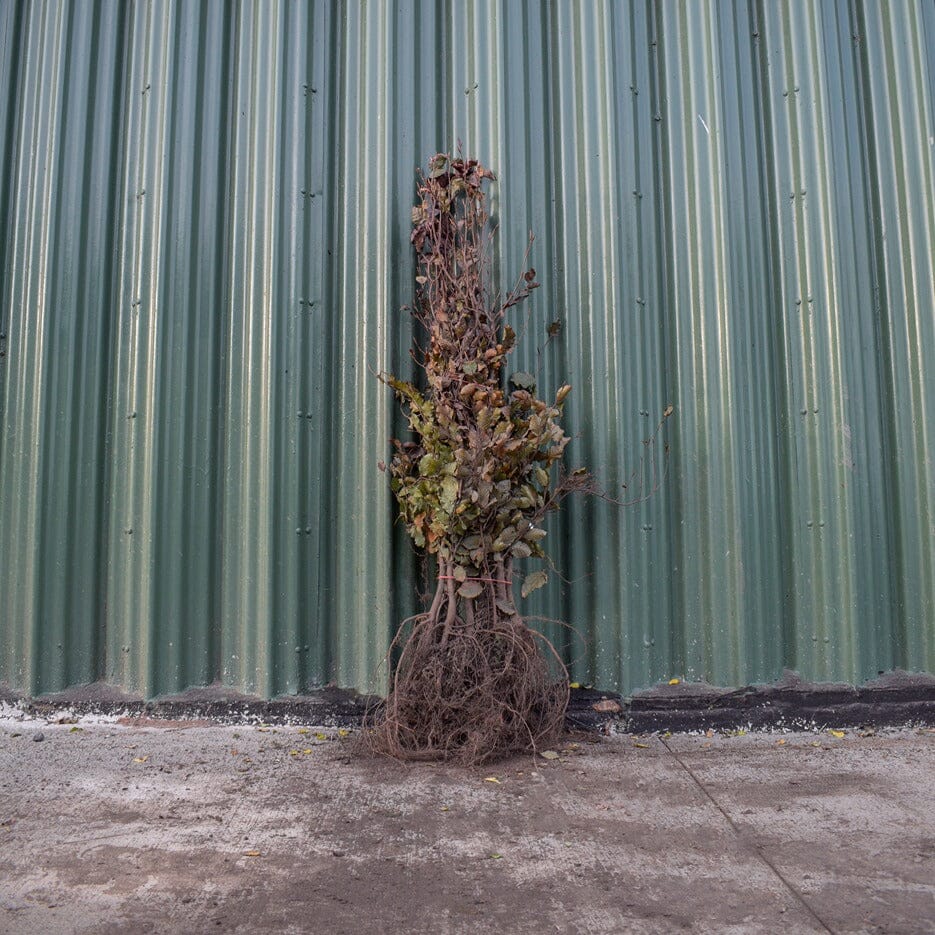
Purple/Copper Beech Hedge 150-175cm Bare Root UK
PRODUCT CODE: FSP-BR-150/175
£17.84
(Incl. Tax)
Volume Discounts
| Quantity | Discount Price |
|---|---|
| 250 | £16.67 |
Purple/Copper Beech (Fagus sylvatica 'Atropunicea') hedging, 150-175cm bare root, is a fast-growing, hardy hedge ideal for privacy in UK gardens. Copper Beech offers dense cover, seasonal leaf colour changes, and tolerates diverse soil types.
Key Features
- Size at delivery: 150-175cm bare root.
- Growth Rate: 40-60cm per year (fast establishing).
- Leaf retention: Retains autumn leaves through winter, enhancing privacy year-round.
- Suitability: Performs well in full sun to partial shade; adaptable to most UK soils (neutral, acid, or alkaline).
- Hedging type: Native, bareroot for easy planting and bulk landscaping.
Planting & Care
- Plant in autumn through early spring while dormant.
- Tolerates exposed and coastal locations.
- Water during establishment; use rootgrow for optimal results.
FAQs
- Which is better for privacy—purple or copper beech? Both refer to the same species, providing equal dense, year-round cover in the UK.
- How fast does bare root purple beech grow? Typically 40-60cm per year in optimal conditions.
- Will copper beech keep its leaves in winter? Yes. Leaves turn copper in autumn and persist through winter.
- What soil types suit Fagus sylvatica 'Atropunicea'? Performs well in moist, well-drained, neutral to alkaline or acidic soils.
- Are bare root beech hedges easy to plant and maintain? Yes, bareroot plants are cost-effective and simple to handle for large plantings.
Planting and care
This is a bare-root plant, supplied dormant between November and March. Plant within a few days of arrival for best results, keeping the roots moist and out of direct sun until they go in the ground. Standard spacing is 3 plants per metre, or 5 per metre for a denser, faster screen.
Read our complete bare-root hedging buyer's guide for full instructions on when to plant, how to handle the plants on arrival, planting depth, spacing for different uses, and what to expect in the first season.
Purple/Copper Beech Hedge 150-175cm Bare Root UK
£17.84
(Incl. Tax)
Choose options
Purple/Copper Beech Hedge 150-175cm Bare Root UK
£17.84
(Incl. Tax)