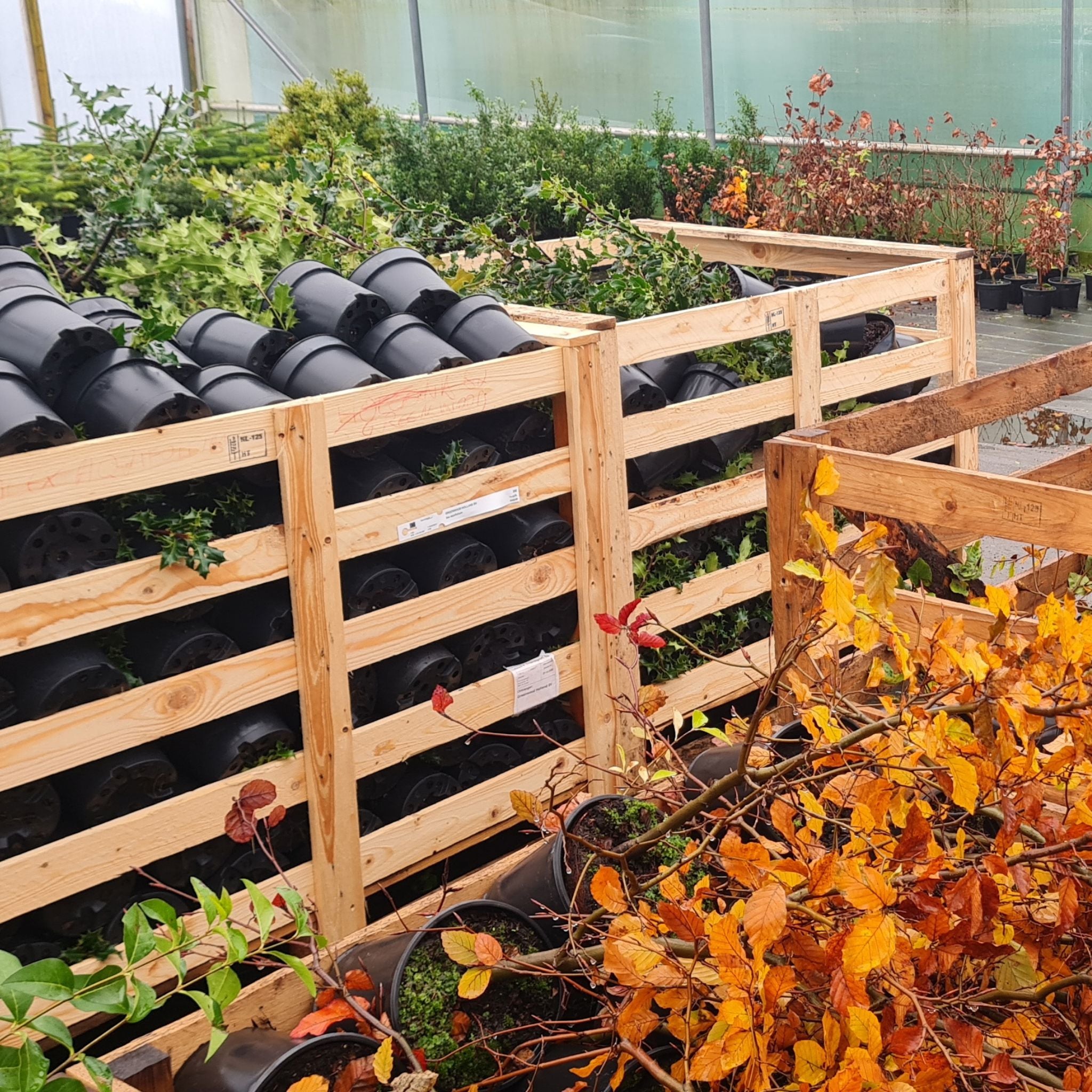


Introducing Hedging Plants: Transform Your Garden Today
Overview
Hedging plants, particularly Pyracantha, enhance garden aesthetics and functionality by providing privacy, security, noise reduction, and wildlife attraction. They can be tailored for various garden styles and require careful selection based on growth rate, size, climate, and maintenance. Proper care, including watering and pruning, ensures their health. Incorporating hedging plants creates a beautiful, cohesive garden design that evolves with the seasons, reflecting personal style and fostering a serene outdoor space.
Table of Contents
- What Are Hedging Plants?
- Benefits of Hedging Plants in Your Garden
- 1. Privacy and Security
- 2. Noise Reduction
- 3. Wildlife Attraction
- 4. Aesthetic Appeal
- 5. Windbreaks
- 6. Versatility
- Choosing the Right Hedging Plants
- Growth Rate
- Height and Width
- Climate and Soil Type
- Maintenance Requirements
- How to Care for Your Hedging Plants
- Watering
- Pruning
- Fertilisation
- Creating a Harmonious Garden Design with Hedging Plants
- Formal Hedges
- Mixed Planting
- Layered Hedges
- Enhancing Seasonal Interest
- A Garden That Tells Your Story
Key Takeaways
- Pyracantha hedge plants provide excellent privacy and security with their dense growth and thorny structure.
- These plants effectively reduce noise pollution, creating a tranquil outdoor environment.
- Hedging plants like Pyracantha attract wildlife, enhancing biodiversity in your garden.
- They offer significant aesthetic appeal, with vibrant foliage and seasonal berries adding visual interest.
- Pyracantha and other hedging plants can act as windbreaks, protecting your garden from harsh weather.
- When selecting hedging plants, consider growth rate, height, climate, and maintenance requirements for optimal results.
- Incorporating hedging plants can create a harmonious garden design that flows beautifully across the seasons.
Creating a beautiful garden is a delightful challenge for many, and one of the best ways to enhance its visual appeal and practicality is through hedging plants. Among the plethora of options available, Pyracantha hedge plants stand out as a popular choice. In this article, we will delve into the world of hedging plants, focusing on their benefits, how they can transform your garden, and tips for choosing the right type. Whether you want privacy, security, or aesthetic beauty, understanding the advantages of hedging plants can significantly enhance your gardening experience.
What Are Hedging Plants?
Hedging plants are shrubs or trees specifically grown to form a boundary or screen. They can range from low, informal hedges to tall, formal structures, serving various purposes in garden design. Users often select these plants for their ability to be shaped and maintained, creating lush green barriers that offer both aesthetics and functionality.
Benefits of Hedging Plants in Your Garden
Incorporating Pyracantha hedge plants and other hedging varieties into your garden provides several key advantages:
1. Privacy and Security
One of the foremost reasons people use hedging plants is to create privacy in their outdoor spaces. A tall, dense hedge provides a natural barrier that obscures views into your garden, making it a sanctuary for relaxation. Additionally, the thorny nature of Pyracantha hedge plants can deter intruders and enhance the security of your property.
2. Noise Reduction
Hedging plants can significantly reduce noise pollution, particularly in urban settings. The density of the foliage acts as a sound barrier, allowing you to enjoy peace and tranquillity in your garden, shielded from the hustle and bustle of traffic or neighbourhood activity.
3. Wildlife Attraction
Another essential benefit of hedging plants is their ability to attract wildlife. Dense hedges provide shelter and forage for birds, insects, and other creatures, promoting biodiversity. By carefully selecting plants like Pyracantha hedge plants, you can create a thriving ecosystem right in your backyard.
4. Aesthetic Appeal
Hedging plants can enhance the beauty of your garden year-round. Whether maintaining a formal hedge with precisely clipped lines or allowing a more natural growth to flourish, these plants add character and charm to any landscape. Pyracantha hedge plants, with their vibrant foliage and seasonal berries, offer stunning visual interest throughout the year.
5. Windbreaks
In addition to aesthetics and security, hedging plants can act as effective windbreaks. They help reduce wind speeds around your property, creating a more comfortable outdoor environment and protecting vulnerable plants from harsh weather conditions.
6. Versatility
Hedging plants can be varied to suit different garden styles, from formal designs to wildflower gardens. Pyracantha hedge plants, in particular, blend beautifully with various landscape settings due to their versatility. They can be shaped into topiary, left to grow naturally, or intermixed with other plants for a unique effect.
Choosing the Right Hedging Plants
When selecting hedging plants for your garden, consider the following factors:
Growth Rate
Different plants have different growth rates. If you want a quickly established hedge, look for fast-growing species. However, keep in mind that fast-growing plants may require more maintenance to keep them looking tidy.
Height and Width
Consider the desired height and width of your hedge. Some plants, like Pyracantha hedge plants, can grow quite tall and wide, so be aware of the space they will occupy in your garden.
Climate and Soil Type
Your local climate and soil conditions will affect the health and growth of your hedging plants. Research which varieties thrive in your area and choose accordingly for a robust and sustainable hedge.
Maintenance Requirements
Different hedging plants require varying levels of care. Some may need regular pruning, while others could grow without much intervention. Consider how much time you can dedicate to maintaining your hedge when selecting your plants.
How to Care for Your Hedging Plants
Once you’ve chosen your hedging plants, proper care will ensure they flourish. Here are some tips for maintaining your hedge:
Watering
Newly planted hedges require regular watering, especially during dry spells. Once established, many hedging plants, including Pyracantha hedge plants, are quite drought-resistant. However, regular watering ensures they remain healthy, particularly in their first growing season.
Pruning
Pruning helps maintain the desired shape of your hedge and encourages healthy growth. The timing and method of pruning vary from plant to plant. Research the best practices for your chosen species to keep them looking their best.
Fertilisation
Fertilising your hedging plants can promote growth and vibrancy. Use a slow-release fertiliser during the growing season to provide essential nutrients without overwhelming the plants.
Creating a Harmonious Garden Design with Hedging Plants
Incorporating Pyracantha hedge plants and other types of hedging plants in your garden creates a cohesive design that flows beautifully. Here are some ideas for integrating hedging plants into your landscape:
Formal Hedges
For a sophisticated look, you can create formal hedges. Plant evenly spaced specimens, trimming them to maintain sharp lines and crisp edges. Use Pyracantha hedge plants to bring colour, especially when they produce berries in the autumn.
Mixed Planting
Mix hedging plants with perennials and other flowering plants for a more eclectic garden. This approach can soften the edges of your garden, creating a more natural look while still providing structure.
Layered Hedges
Create depth in your garden design by using layered hedging plants of varying heights. Smaller, lower plants in the front, such as flowering species, can complement taller hedges like Pyracantha hedge plants at the back, providing visual interest.
Enhancing Seasonal Interest
One of the fantastic aspects of hedging plants is their ability to offer changing beauty throughout the seasons. Pyracantha hedge plants, for instance, display clusters of flowers in spring, lush green foliage in summer, an array of vibrant berries in autumn, and an eye-catching silhouette in winter.
Consider planting species that bloom at different times of the year or that offer striking autumn foliage colours for a garden that remains interesting year-round. Using hedging plants strategically can provide varying colours, textures, and forms across the seasons.
A Garden That Tells Your Story
Your garden is a reflection of your unique personality and lifestyle. By investing time in selecting and caring for hedging plants, you create peace in your outdoor space while expressing your appreciation for nature's beauty. Whether you opt for Pyracantha hedge plants or other varieties, those choices resonate deeply through your gardening journey.
Moreover, hedging plants set the stage for beautiful gatherings, quiet moments, and fond memories in your outdoor sanctuary. As you nurture your garden with the right hedging solutions, you cultivate not only plants but a serene escape that enriches your life and well-being.
With a clear understanding of hedging plants and their diverse benefits, you are now equipped to embark on your journey towards a lush, inviting landscape. Remember to choose wisely, care for your plants, and let your garden flourish into a vibrant realm of natural beauty!
Frequently Asked Questions
1. What are hedging plants?
2. What are the benefits of incorporating hedging plants in my garden?
3. How do I choose the right hedging plants for my garden?
4. What care do hedging plants require?
5. How can I enhance seasonal interest with hedging plants?
Glossary
| Term | Meaning |
|---|---|
| Hedging Plants | Shrubs or trees grown to form a boundary or screen in gardens. |
| Pyracantha | A thorny shrub known for its vibrant foliage and seasonal berries. |
| Privacy | The state of being free from public attention, often enhanced by hedges. |
| Noise Reduction | Minimising sound pollution using dense foliage as a barrier. |
| Wildlife Attraction | Encouraging birds and insects by providing shelter and food. |
| Windbreaks | Plants that reduce wind speed around a property. |
| Growth Rate | The speed at which a plant grows, influencing hedge establishment. |
| Pruning | Cutting back plants to maintain shape and promote healthy growth. |
| Fertilisation | Adding nutrients to soil to enhance plant growth and health. |
| Seasonal Interest | Variation in garden beauty throughout different times of the year. |
Linked Product

40/60cm Pyracantha Pot Grown Soleil d'Or Hedge Yellow Berry
The 40/60cm Pyracantha Pot Grown Soleil d'Or Hedge features dense, spiny foliage and profuse yellow berries, making it an effective choice for security and wildlife attraction. This evergreen shrub can grow up to 6m when unpruned, offering a natural barrier against intruders while providing decorative flowers and colorful fruit. Ideal for planting in full sun to partial shade, it thrives in well-draining soil and can tolerate drought once established.
View Product