

Bulk purchase and receive the following discounts
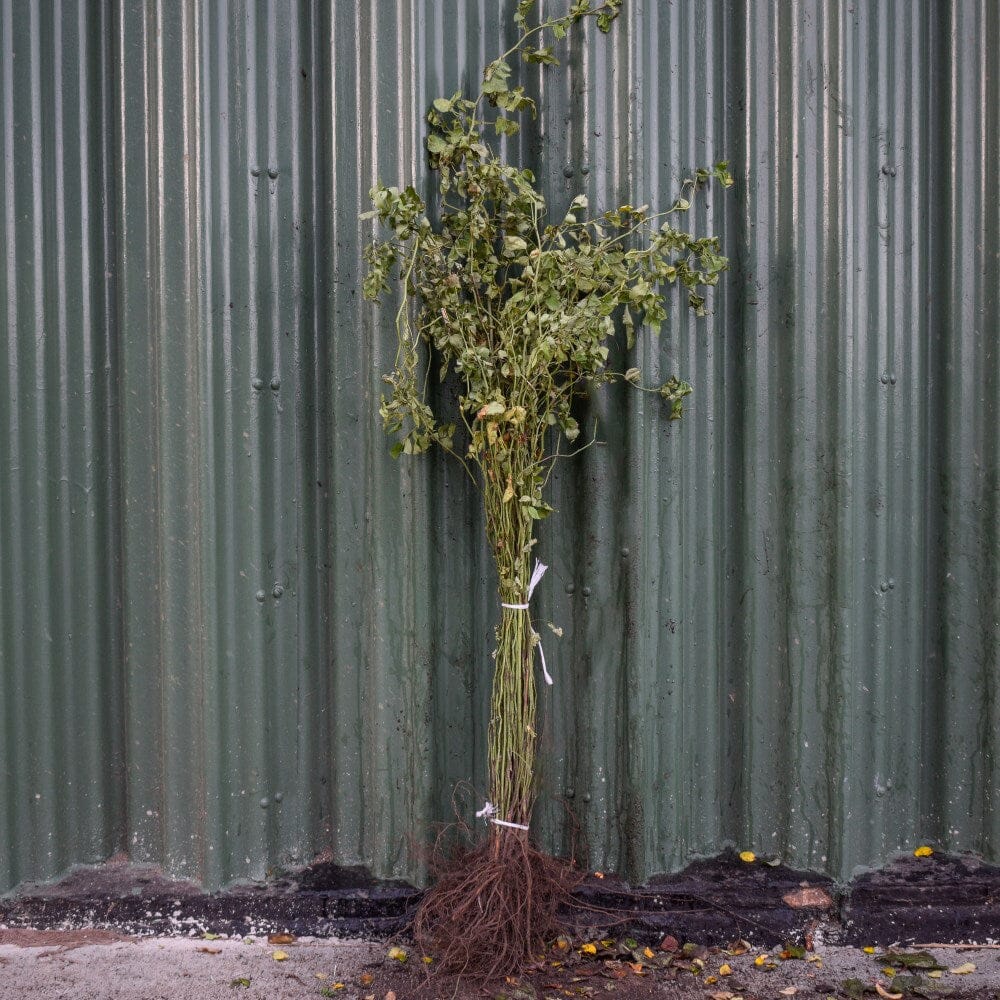
Dog Rose Hedging Bare Root 40-60cm (Rosa canina)
PRODUCT CODE: RC-BR-40/60
£1.00
(Incl. Tax)
Volume Discounts
| Quantity | Discount Price |
|---|---|
| 250 | £0.88 |
| 1000 | £0.83 |
Bare Root Dog Rose Hedging (Rosa canina), 40–60cm is a hardy, native thorny shrub suited to mixed hedges, especially for UK coastal or windy gardens.
- Plant Use: Ideal for woodland, boundary security, and wildlife-friendly hedging.
- Growth & Size: Supplied bare root, 40–60cm tall; typically reaches 2–3m at maturity; fast growth rate up to 40cm annually.
- Soil & Conditions: Tolerates chalk, clay, sandy soils; thrives in exposed/seaside sites; salt and wind resistant.
- Flower & Fruit: Pink/white, mildly-fragrant flowers (May-July); bright red rose hips in autumn, valuable for birds.
FAQs
Is dog rose suitable for coastal or windy gardens?
Yes, Dog Rose (Rosa canina) is tolerant of windy sites and salt spray, making it ideal for coastal planting schemes.
How does bare root compare to potted roses for hedging?
Bare root plants establish quickly when planted November–March, cost less, and are easier for large native hedges than potted stock.
How do I plant and care for dog rose hedging?
Plant 3–5 plants per metre in prepared soil; water after planting and mulch annually. Prune in late autumn for a dense hedge.
Are dog rose bushes beneficial for wildlife?
Dog roses supply rose hips and dense cover, attracting birds and pollinators throughout the year.
How fast does dog rose grow and when does it fruit?
Growth rate up to 40cm/year; rose hips usually appear from the first autumn after planting depending on establishment.
Planting and care
This is a bare-root plant, supplied dormant between November and March. Plant within a few days of arrival for best results, keeping the roots moist and out of direct sun until they go in the ground. Standard spacing is 3 plants per metre, or 5 per metre for a denser, faster screen.
Read our complete bare-root hedging buyer's guide for full instructions on when to plant, how to handle the plants on arrival, planting depth, spacing for different uses, and what to expect in the first season.
Dog Rose Hedging Bare Root 40-60cm (Rosa canina)
£1.00
(Incl. Tax)
Choose options
Dog Rose Hedging Bare Root 40-60cm (Rosa canina)
£1.00
(Incl. Tax)